The Nature of Luck in Gambling
Luck is often perceived as a pivotal factor in gambling, where outcomes hinge on chance rather than skill or strategy. In many gambling scenarios, particularly those involving games of chance like slots and roulette, luck plays a critical role. Players searching for the most thrilling experiences often find the best online pokies highly engaging, resulting in positive outcomes. This reliance on luck can make gambling an exciting yet unpredictable pastime, as fortunes can change within moments.
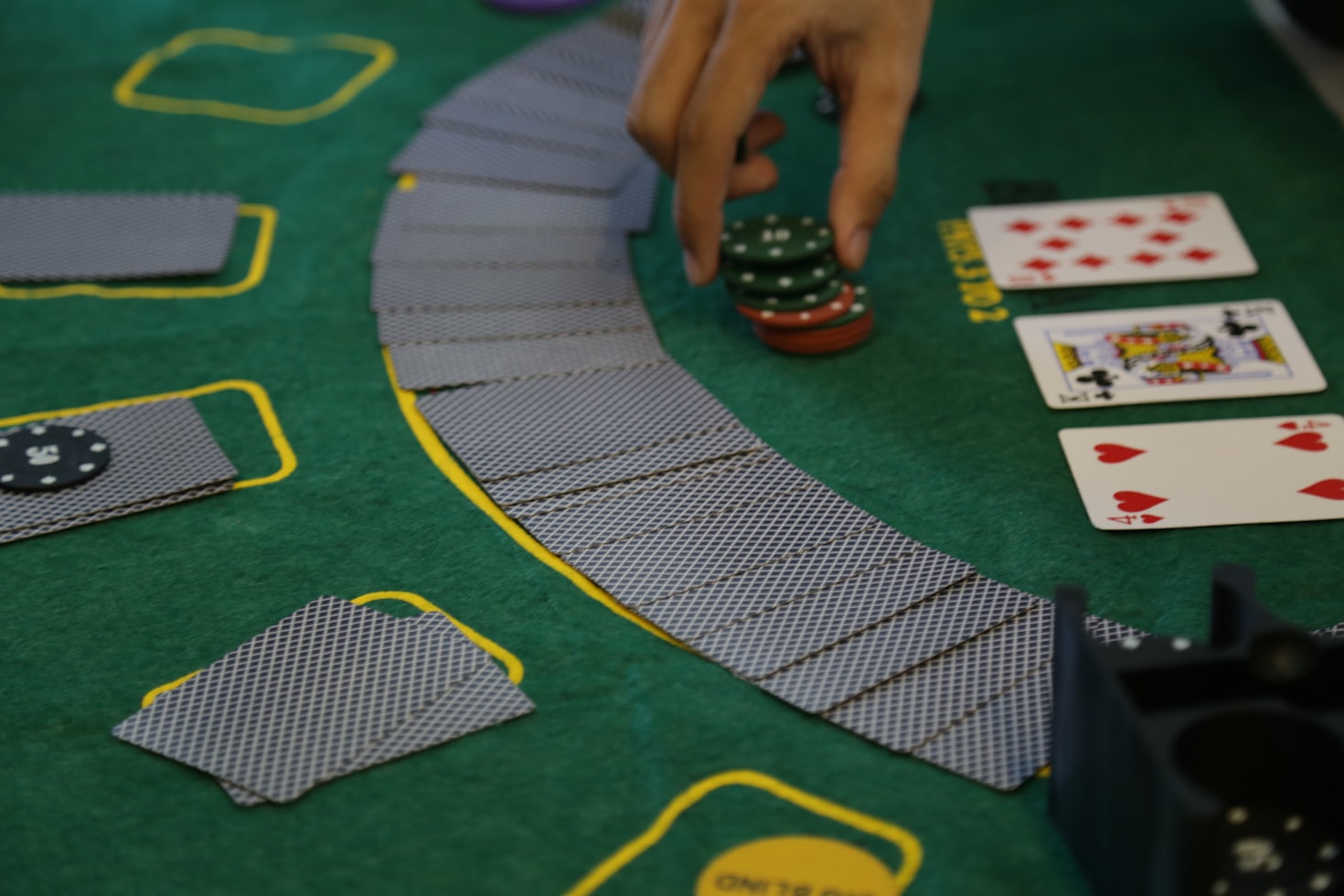
The randomness that encapsulates many gambling games means that despite the utilization of strategies, players cannot control the outcome. For instance, a player may employ betting strategies in poker, yet the hand dealt will ultimately determine the winner. This inherent unpredictability is what makes luck an essential element, as one cannot perform optimally without a little help from lady luck herself.
Moreover, the psychological impact of luck cannot be underestimated. Gamblers often experience a phenomenon known as “gambling luck,” where they become convinced that they are on a winning streak. This belief can influence their betting behavior, often leading to either greater success or, conversely, heavier losses. Creating a mindset around luck can profoundly affect decision-making, resulting in players becoming either overly cautious or excessively daring, depending on their perceived fortunes.
The Role of Strategy in a Luck-driven Environment
While luck undeniably plays a significant role in gambling, strategy also has its place. Successful gamblers often combine their understanding of chance with specific strategies designed to enhance their odds. For instance, in games like blackjack, players can utilize mathematical strategies, such as card counting, to gain an edge. These strategies do not eliminate the element of luck but can improve the chances of success over time.
Adopting a balanced strategy involves understanding when to take risks and when to play conservatively. For example, in poker, knowing when to bluff or fold is as crucial as recognizing which cards are favorable. By merging strategy with luck, players can create a more robust approach to gambling that mitigates risks while enhancing their potential for success. This blend can lead to smarter decisions that ultimately affect wagering outcomes significantly.
The interplay of strategy and luck also highlights the importance of experience. Seasoned gamblers often have a better grasp of how to navigate luck’s unpredictable nature. Their learned intuitiveness can help them spot trends or read other players, giving them an edge over less experienced participants. Therefore, while luck may be the dominant factor, strategic thinking remains essential in the quest for success in the gambling world.
The Psychological Aspect of Luck in Gambling
Psychologically, luck can significantly affect a gambler’s approach and performance. Many gamblers embrace rituals or beliefs that they think will sway luck in their favor. This can include wearing lucky clothing, using specific betting patterns, or even visiting a favorite casino on a particular day. Such behaviors stem from a human desire to feel more in control of uncertain situations, even when luck is inherently random.
The concept of “confirmation bias” is prevalent among gamblers. This bias leads individuals to remember winning moments while forgetting the losses that equally pepper their gambling history. This selective memory creates an illusion of consistent luck, prompting individuals to continue gambling, often against their better judgment. Understanding this psychological component can help individuals recognize the dangers of allowing luck to dictate their gambling habits.
Furthermore, the impact of luck extends to the emotional highs and lows that accompany gambling. Winning can evoke feelings of euphoria, encouraging players to chase that high, while losing can lead to frustration or despair. These emotional swings are often tied to the perception of luck, making it crucial for gamblers to maintain a balanced mindset. Cultivating emotional intelligence and self-awareness can lead to more responsible gambling practices, mitigating the reliance on luck alone.
Understanding Variance and Its Impact on Luck
Variance is a critical concept in gambling that illustrates how luck influences outcomes over time. Essentially, variance refers to the fluctuations in results that can occur even when playing a game with a consistent underlying probability. For example, a slot machine may have a defined payback percentage, but the frequency of wins and losses can still vary significantly in the short term. Recognizing and accepting variance can help gamblers maintain perspective on their reliance on luck.
Over the short term, players may experience significant swings in their fortunes. However, as they continue to gamble, the overall outcomes tend to align more closely with the expected probabilities. Understanding this relationship between variance and luck can encourage gamblers to adopt a longer-term perspective when evaluating their success. Players who remain patient and resist the urge to chase immediate losses may find themselves more successful in the long run.
Moreover, variance can also inform responsible gambling behaviors. Being aware that luck can lead to both winning and losing streaks helps players set realistic expectations. For instance, acknowledging that bad luck can occur allows for better bankroll management and encourages players to engage with gambling as entertainment rather than solely a means of income. By understanding the dynamics of variance, gamblers can enjoy their experience while remaining aware of the fundamental role luck plays.
The Importance of Responsible Gambling Practices
Responsible gambling practices are vital in maintaining a healthy relationship with luck and chance. Gamblers must recognize the unpredictability of luck and avoid making impulsive decisions based solely on perceived fortune. Setting limits on time and money spent can help ensure that the thrill of gambling does not lead to negative consequences. Responsible gambling acknowledges the role luck plays while encouraging players to engage thoughtfully and deliberately.
Education around gambling risks and strategies can empower players to make informed choices. Understanding the odds and knowing when to take a break can greatly influence how one interacts with luck. Furthermore, promoting awareness of the signs of problem gambling is essential in combating the darker side of dependence on luck. Many organizations and resources exist to support players in developing healthy gambling habits.
Ultimately, recognizing the importance of balance between luck and strategy allows for a more enriching gambling experience. When players gear themselves with knowledge and self-control, they can enjoy the excitement of chance while mitigating the potential pitfalls of excessive risk-taking. Engaging with gambling as a form of entertainment rather than a pathway to financial success enhances the enjoyment and safety of the activity.